
FILL COMPATIBILITY
Match the Fill to the Dosage Form
Review oils, suitable suspensions, active concentration, viscosity and target fill weight around encapsulation feasibility.
- Fill vehicle
- Viscosity
- Active load
SOFTGEL MANUFACTURING
Develop and manufacture softgel supplements with fill preparation, shell planning, encapsulation, drying, inspection and packaging aligned around the approved product specification.

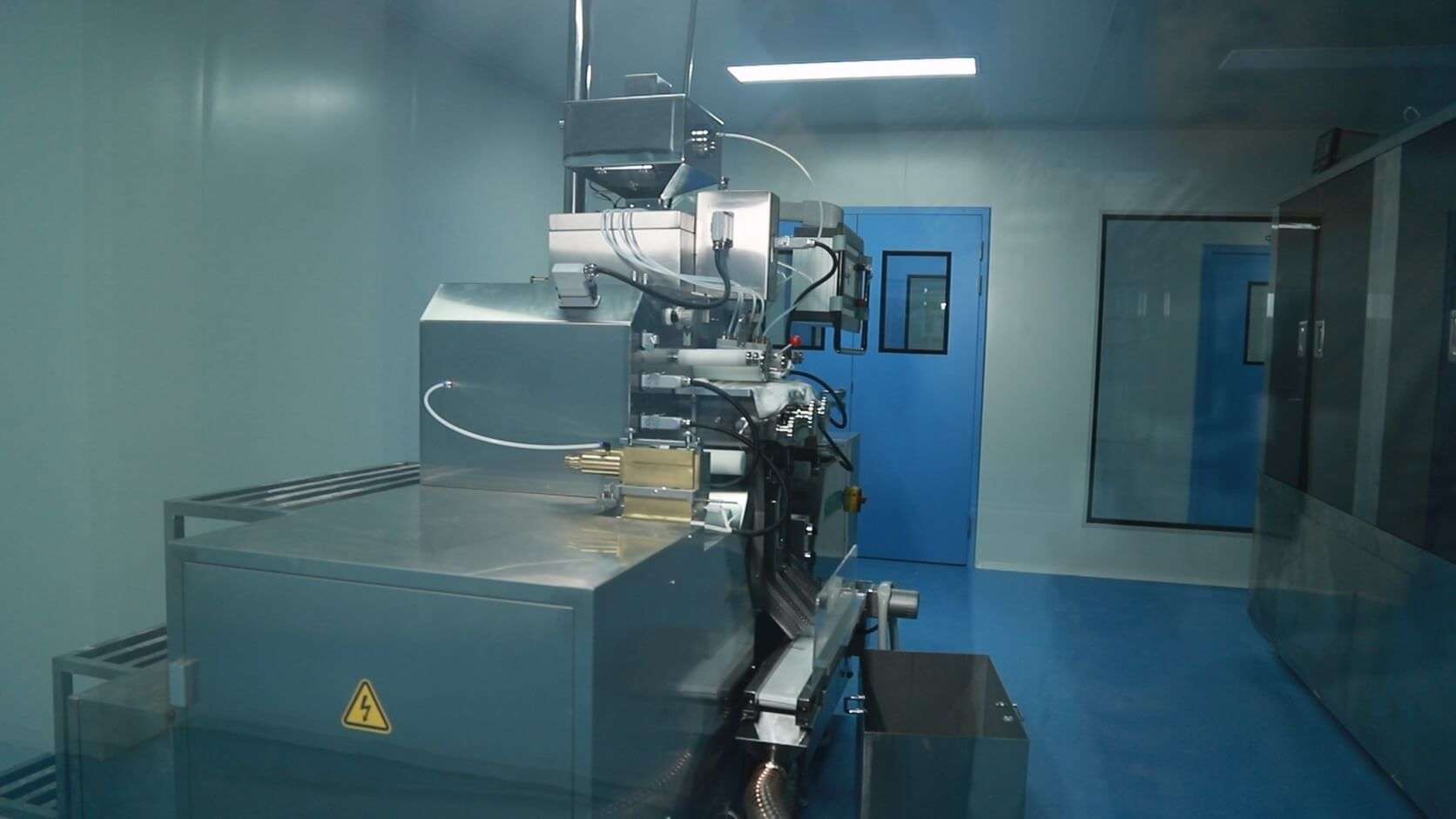
Softgel feasibility is reviewed as one connected delivery system.
SOFTGEL MANUFACTURING READINESS
Commercial softgels depend on the relationship between the fill system, shell behavior and encapsulation conditions. We review those variables together before production planning is finalized.
Review oils, suitable suspensions, active concentration, viscosity and target fill weight around encapsulation feasibility.
Align shell material, plasticizer system, appearance and target capsule dimensions with the approved fill and commercial brief.
Plan fill behavior, seam formation, tooling and drying requirements around repeatable encapsulation at production scale.
SOFTGEL FILL SYSTEMS
A softgel project starts with the material that must remain stable inside the shell. The exact fill route is confirmed after formula and compatibility review.
Carrier oils and lipid-based ingredient systems planned around the target dose and fill volume.
Suitable active systems reviewed for concentration, carrier selection and commercial fill requirements.
Oil-based botanical directions evaluated around stability, sensory profile and shell compatibility.
Suspension fills assessed for particle behavior, viscosity, settling risk and encapsulation feasibility.
Final feasibility depends on the complete ingredient system and target commercial specification.
SOFTGEL MANUFACTURING PROCESS
Softgels are formed, filled and sealed as part of one connected process, then dried, conditioned and inspected before commercial packing.
Discuss Your Manufacturing Route
Prepare and condition the approved oil or suspension fill around the target specification.
Meter the fill while the shell is formed and sealed through the selected tooling and process settings.

Control drying and conditioning around capsule integrity, handling and the approved finished-product target.

Review finished capsules before they move into the selected commercial packaging format.
SHAPE, SIZE & APPEARANCE
Capsule geometry and appearance should support the target fill volume, serving format, handling and brand direction. Available combinations are confirmed against tooling and project feasibility.
SOFTGEL QUALITY CONTROL
Softgel quality depends on capsule formation, fill consistency, drying behavior and finished appearance. In-process and finished-product checks are aligned with the approved project requirements.
Review capsule formation and shell condition against the approved finished-product specification.
Check dosage fill against target requirements throughout commercial production.
Inspect finished capsules for visual consistency and handling before commercial packaging.
Manufacturing systems: GMP · HACCP · ISO 22000
Explore Quality & ComplianceCOMMERCIAL PACKAGING OPTIONS
Finished softgels can move into the packaging route selected for serving count, product protection, retail presentation and commercial order requirements.
Plan count, bottle size, closure and label requirements around the finished softgel and target serving.
Where applicable, unit presentation can be reviewed around product protection, portability and project-specific packing requirements.
Plan larger-volume finished-softgel supply for suitable downstream packing or B2B project requirements.
SOFTGEL MANUFACTURING FAQ
Key considerations around fill compatibility, shell planning, capsule size, production, packaging and project quoting.
Softgels are commonly considered for suitable oil-based solutions and suspension fills. The complete ingredient system should be reviewed for fill behavior, stability, viscosity and shell compatibility.
Target dose, active concentration, carrier system and fill volume are considered alongside tooling, capsule dimensions, serving count and swallowability.
Appearance directions can be reviewed against the shell system, tooling, commercial quantity and technical feasibility. Share a visual reference or target presentation when available.
Drying and conditioning help move newly formed softgels toward the approved finished-product condition while supporting capsule integrity, handling and appearance.
Bottle formats, suitable unit-presentation routes and bulk supply can be reviewed around product protection, serving count, project quantity and destination-market requirements.
Share the complete formula or active target, preferred carrier if known, target dose, size or shape reference, pack count, estimated quantity, destination market and required documentation.
START A SOFTGEL PROJECT
Share the fill formula or active target, desired dose, capsule reference, packaging direction and estimated volume. We’ll help define the manufacturing path.
INCLUDE IN YOUR BRIEF